
Nestled in the foothills of the Himalayas, Jim Corbett National Park offers one of India’s most exhilarating wildlife experiences. A jungle safari in Jim Corbett is not just a tour—it’s an adventure that connects you with nature in its rawest form. Whether you’re a wildlife enthusiast, photographer, or simply someone seeking an escape from city life, the park’s diverse ecosystem promises unforgettable memories.
Why Choose a Jungle Safari in Jim Corbett?
Jim Corbett National Park, established in 1936, holds the distinction of being India’s oldest national park. Spanning over 520 square kilometers, this protected area is home to the majestic Bengal tiger, along with leopards, elephants, and over 600 species of birds. When you embark on a jungle safari in Jim Corbett, you’re stepping into a world where nature reigns supreme.
The park’s varied landscape includes grasslands, marshes, and dense sal forests, creating the perfect habitat for wildlife. During your safari, you might witness a tigress teaching her cubs to hunt, elephants bathing in the Ramganga River, or peacocks dancing in the morning mist. Every moment spent on this journey offers something unique and unpredictable.
Types of Safari Experiences Available
Planning your jungle safari in Jim Corbett requires understanding the different zones and safari options available. The park is divided into several zones, including Dhikala, Bijrani, Jhirna, Dhela, and Durga Devi. Each zone has its own character and wildlife sighting opportunities.
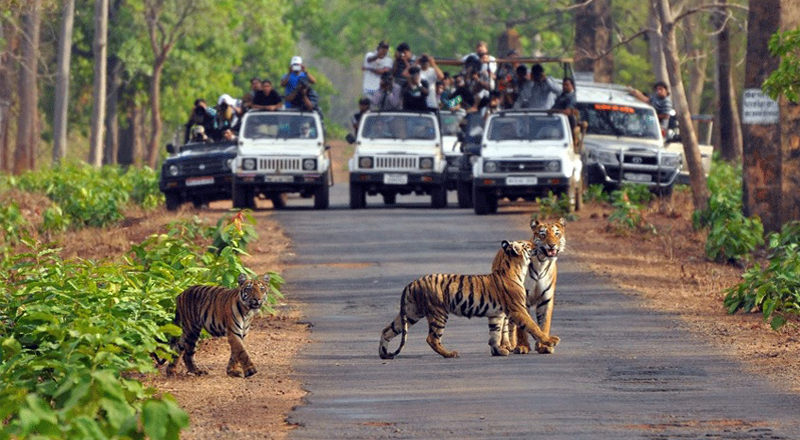
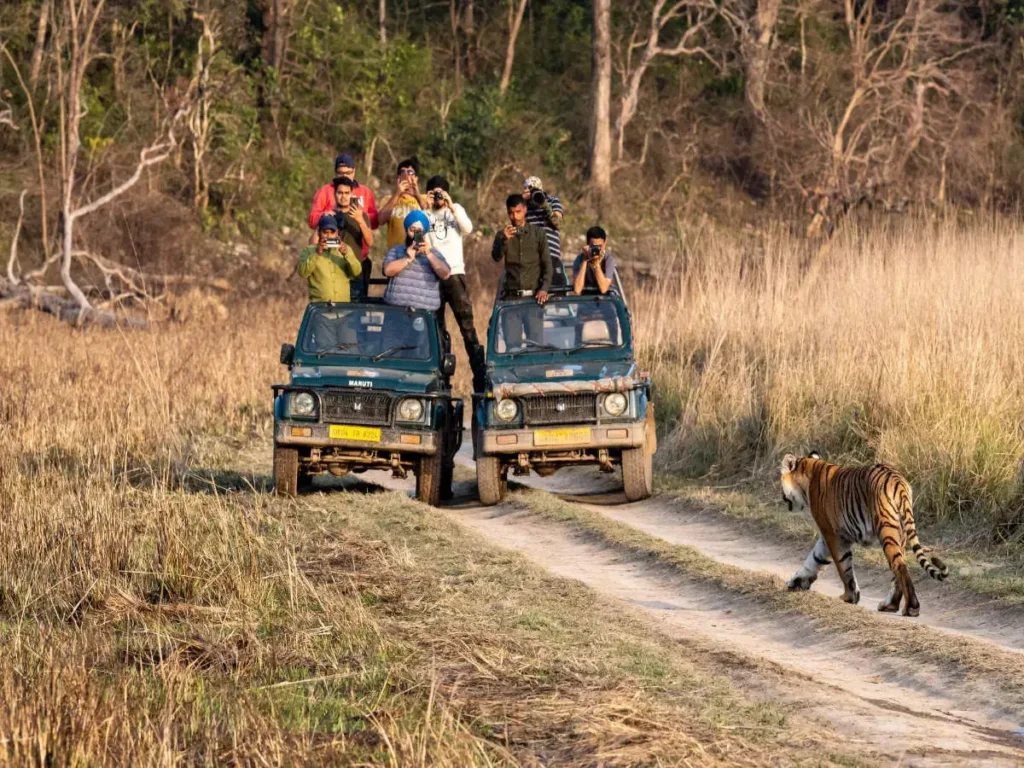
Jeep safaris are the most popular way to explore the park. These open-top vehicles accommodate six people and provide excellent visibility for spotting animals. Morning safaris begin at sunrise when animals are most active, while evening safaris offer golden-hour photography opportunities. The experienced guides accompanying your jungle safari in Jim Corbett possess intimate knowledge of animal behavior and territory patterns, significantly increasing your chances of tiger sightings.
For those seeking a more immersive experience, elephant safaris are available in certain zones. Riding atop these gentle giants provides a different perspective and allows you to venture into areas where vehicles cannot reach. The swaying motion and height advantage make this a memorable alternative during your visit.
Canter safaris offer a budget-friendly option for larger groups. These 16-seater open buses travel through the Dhikala zone, which is considered the heart of the park. Though less flexible than jeep safaris, canters still provide excellent wildlife viewing opportunities.
Best Time for Your Safari Adventure
Timing plays a crucial role in making your jungle safari in Jim Corbett successful. The park remains open from mid-November to mid-June, with each season offering distinct experiences. Winter months from November to February bring pleasant weather, making it comfortable to spend hours in the open. This period sees increased tiger activity as they bask in the sun more frequently.
March to June represents the summer season when water sources shrink, forcing animals to congregate around remaining waterholes. This dramatically increases wildlife sighting probability during your jungle safari in Jim Corbett. Though temperatures rise, early morning and late afternoon safaris remain pleasant.
The monsoon season from July to October sees park closure for visitor safety and to allow undisturbed breeding. However, the Jhirna zone remains open year-round for those seeking off-season experiences.
What to Expect During Your Safari
Your jungle safari in Jim Corbett begins with an early morning wake-up call. After a quick breakfast, you’ll head to the designated entry gate where formalities are completed. As your vehicle enters the forest, the sounds of civilization fade, replaced by bird calls and rustling leaves.
The initial excitement often involves spotting common species—spotted deer grazing in meadows, langurs swinging through trees, or wild boars foraging in the undergrowth. Your guide will track pugmarks, alarm calls, and other signs that indicate the presence of larger predators nearby.
Tiger sightings, though never guaranteed, become magical when they happen. The sudden hush that falls over the forest, the anxious calls of deer, and finally, the striped magnificence emerging from the shadows—these moments justify every early morning and dusty trail.
Beyond tigers, your jungle safari in Jim Corbett might reveal gharials sunning on riverbanks, sambar deer standing alert in clearings, or even the elusive fishing cat. Bird enthusiasts can spot hornbills, kingfishers, and eagles throughout the journey.
Making the Most of Your Experience
To enhance your jungle safari in Jim Corbett, consider booking multiple safaris across different zones. Each area has unique terrain and wildlife populations, providing varied experiences. Carry binoculars, cameras with good zoom capabilities, and dress in neutral colors that blend with the environment.
Maintain silence during the safari and follow your guide’s instructions carefully. Respect park rules prohibiting littering, loud noises, or standing in vehicles. Remember, you’re a guest in the animals’ home.
The memories created during a jungle safari in Jim Corbett stay with you long after you’ve returned home. The raw beauty of the wilderness, the thrill of wildlife encounters, and the peace found in nature’s embrace make this experience truly special. Whether you spot the elusive tiger or simply soak in the forest’s tranquility, your adventure will remind you why preserving these wild spaces matters for generations to come.